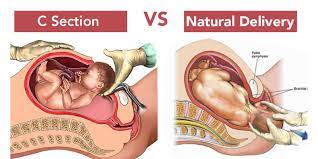
Normal Delivery, Painless Delivery and Cesarean Operation
Normal delivery, painless delivery (often referred to as epidural anesthesia), and cesarean operation (commonly known as a cesarean section or C-section) are three distinct methods of childbirth, each with its own characteristics, indications, and potential benefits and risks. Let's explore each of these methods:
-
Normal Delivery (Vaginal Birth):
- Process: Normal delivery, also known as vaginal birth, is the most common method of childbirth. It involves the baby passing through the birth canal (vagina) to be born.
- Indications: Normal delivery is recommended when the mother and baby are both healthy, the baby is in the correct position (head down), and there are no complications that would require surgical intervention.
- Benefits: Natural childbirth allows for a shorter recovery time for the mother, typically shorter hospital stays, and a reduced risk of surgical complications.
- Pain Management: Pain management during normal delivery can vary, with options such as natural childbirth without medication, intravenous pain relief, or epidural anesthesia for pain control.
-
Painless Delivery (Epidural Anesthesia):
- Process: Painless delivery, or epidural anesthesia, is a pain management technique used during labor and childbirth. It involves the administration of medication through a needle or catheter into the epidural space of the spine, numbing the lower half of the body.
- Indications: Epidural anesthesia is often chosen by women who want to minimize pain during labor and delivery while still opting for a vaginal birth.
- Benefits: Epidural anesthesia provides effective pain relief, allowing the mother to be alert and present during childbirth. It can make the labor experience more comfortable.
- Risks: Epidural anesthesia may lead to potential side effects or complications, such as a drop in blood pressure, itching, or a prolonged second stage of labor.
-
Cesarean Operation (C-Section):
- Process: A cesarean section (C-section) is a surgical procedure in which an incision is made through the mother's abdomen and uterus to deliver the baby. This method is used when a vaginal birth is not safe or feasible due to various medical reasons.
- Indications: C-sections may be recommended in situations such as breech presentation (baby's feet or buttocks first), placental abnormalities, fetal distress, multiple pregnancies, or when a previous C-section scar is present.
- Benefits: C-sections can be life-saving for both the mother and baby in certain circumstances, ensuring a safe delivery when vaginal birth is not an option.
- Risks: C-sections are surgical procedures and carry risks associated with surgery, such as infection, bleeding, and a longer recovery period compared to vaginal birth. They may also increase the risk of future C-sections.
The choice of childbirth method depends on various factors, including the health of the mother and baby, maternal preferences, and medical indications. In many cases, the decision is made in consultation with healthcare providers who consider the individual circumstances and risks involved.
It's important for expectant mothers to discuss their birthing preferences and concerns with their healthcare team well in advance of labor to make an informed decision regarding the method of delivery. Proper prenatal care and communication with healthcare providers can help ensure the safest and most comfortable childbirth experience for both the mother and baby.
Copyright @ Qubeta.