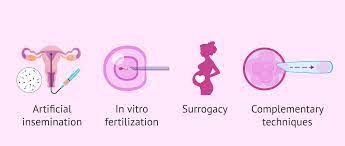
Infertility Treatment
Infertility is a medical condition characterized by the inability to conceive a child after a year or more of regular, unprotected sexual intercourse. It can be a challenging and emotionally taxing experience for individuals or couples who are trying to conceive. Fortunately, there are various infertility treatments and assisted reproductive technologies available to help those struggling with infertility. Here's an overview of infertility treatments:
-
Fertility Evaluation and Diagnosis:
- Before starting any treatment, couples experiencing infertility should undergo a comprehensive fertility evaluation. This may involve physical exams, medical history assessment, hormone testing, and imaging studies.
- Diagnostic tests may include semen analysis for men and assessments of ovarian function and fallopian tube patency for women.
-
Lifestyle and Behavioral Modifications:
- In some cases, making lifestyle changes such as quitting smoking, maintaining a healthy weight, reducing alcohol intake, and managing stress can improve fertility.
- Timing intercourse around the woman's ovulation cycle may also enhance the chances of conception.
-
Medications for Infertility:
- Fertility medications are often the first-line treatment for infertility. These drugs can stimulate ovulation in women or enhance sperm production in men.
- Common medications include Clomiphene citrate, Letrozole, and gonadotropins.
-
Intrauterine Insemination (IUI):
- IUI involves the placement of specially prepared sperm directly into the woman's uterus around the time of ovulation.
- It is a less invasive and lower-cost fertility treatment compared to in vitro fertilization (IVF).
-
In Vitro Fertilization (IVF):
- IVF is a more complex and invasive assisted reproductive technology.
- It involves stimulating the ovaries to produce multiple eggs, retrieving the eggs, fertilizing them with sperm in a laboratory dish, and then transferring the resulting embryos back into the uterus.
- IVF is often recommended for couples with severe male factor infertility, tubal factor infertility, endometriosis, or unexplained infertility.
-
Intracytoplasmic Sperm Injection (ICSI):
- ICSI is a specialized form of IVF in which a single sperm is directly injected into an egg to assist with fertilization.
- It is commonly used when there are issues with sperm quality or quantity.
-
Egg or Sperm Donation:
- For individuals or couples with severe infertility issues, using donated eggs or sperm from a donor may be an option.
- Gestational surrogacy, where another woman carries the pregnancy, may also be considered.
-
Embryo Adoption:
- Couples who have embryos remaining after their own IVF treatment may choose to donate them to others struggling with infertility.
-
Surgery:
- Surgical interventions may be necessary to correct structural issues that are causing infertility, such as blocked fallopian tubes or uterine abnormalities.
-
Alternative and Complementary Therapies:
- Some individuals explore alternative therapies like acupuncture, herbal supplements, or mind-body practices to complement conventional infertility treatments. While these may provide emotional support, their efficacy is not always scientifically proven.
It's crucial for individuals or couples dealing with infertility to work closely with a healthcare provider, usually a reproductive endocrinologist, who specializes in fertility treatment. The choice of treatment will depend on the underlying cause of infertility, the age of the individuals involved, and their personal preferences. Infertility treatments can be emotionally and financially demanding, so it's essential to have a support system in place and to consider all available options.
Copyright @ Qubeta.